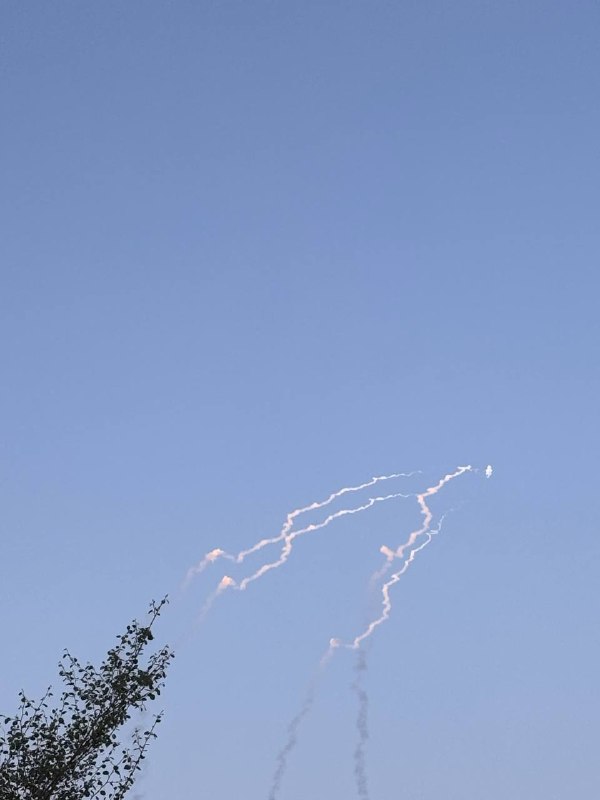
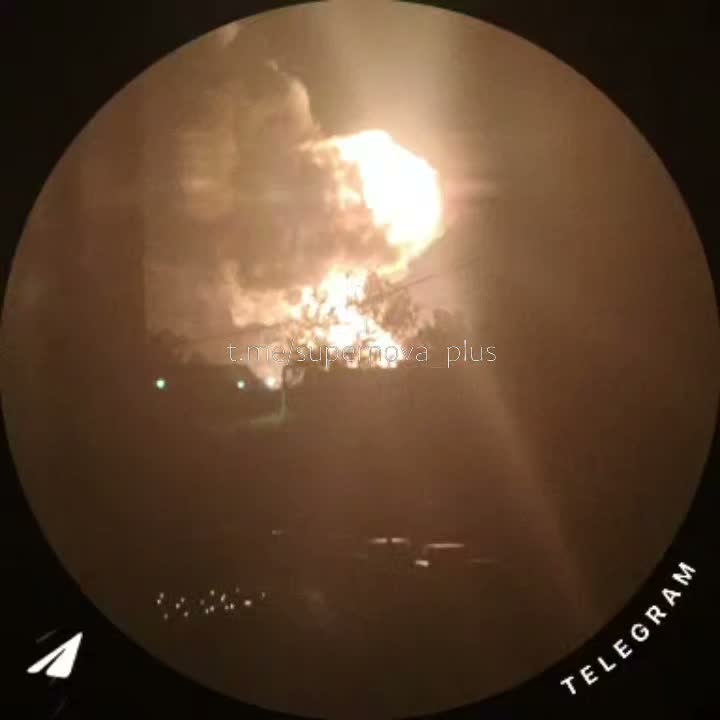
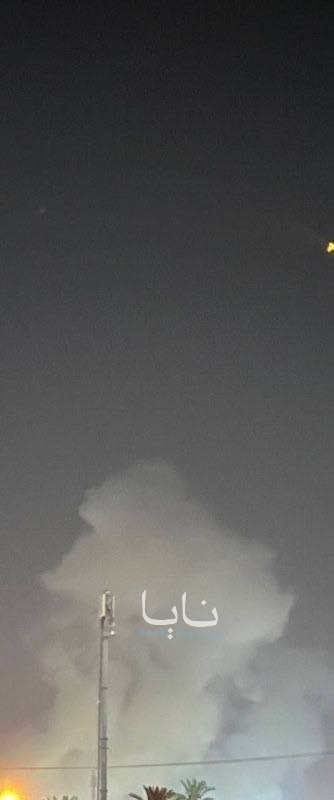
CENTCOM: At 6 a.m. ET today, U.S. Central Command forces began launching a wave of strikes against Iran. The strikes are designed to further degrade military capabilities Iranian forces have used to attack commercial shipping in the Strait of Hormuz
We have noticed that you are using an ad-blocking software
Liveuamap is editorially independent, we don't receive funding from commercial networks, governments or other entities. Our only source of our revenues is advertising.
We respect your choice to block banners, but without them we cannot fund our operation and bring you valuable independent news. Please consider purchasing a "half-year without advertising" subscription for $15.99. Thank you.
The commander of the Iranian Revolutionary Guard's naval forces posted: In response to the Supreme Leader, we will deliver the harshest blows to the aggressor by maintaining the strategy of keeping the Strait of Hormuz closed.
U.S. Military: Tampa, Florida – U.S. forces enforced a maritime blockade against Iran on July 15 by disabling an empty oil tanker attempting to sail toward an Iranian port in the Persian Gulf. U.S. Central Command (CENTCOM) forces observed the Curaçao-flagged M/T Belma transiting international waters toward Kharg Island. The merchant vessel ignored multiple warnings as it attempted to violate the U.S. blockade. A U.S. aircraft disabled the vessel after firing Hellfire missiles at the ship's funnel. The vessel is no longer en route to Iran. U.S. forces resumed the maritime blockade against vessels transiting to or from Iranian ports and coastal areas at 4 p.m. ET on July 14. During the first 24 hours of enforcement, CENTCOM redirected two compliant merchant vessels and disabled one non-compliant vessel. U.S. forces remain vigilant and prepared to ensure full compliance.
Wreckage of US FLM-136 LUCAS kamikaze drone recovered near Iran's Bandar Abbas port. The LUCAS is essentially the American equivalent of Iran's Shahed-136 drone, a low-cost, one-way attack drone
The Wall Street Journal, citing US officials, reports that options include intensifying airstrikes and sending ground troops to seize Iranian islands near the Strait of Hormuz.
U.S. Central Command (CENTCOM) has announced the beginning of a second wave of attacks on Iran today targeting their capability to attack commercial vessels transiting the region
Guterres: We reiterate our call for the full restoration of international navigation rights and freedoms in the Strait of Hormuz and surrounding areas.
Iranian Qalibaf: With the start of the third imposed war, our armed forces established control over the Strait, and during the negotiations we solidified our resolve and arrangements.
CENTCOM: Since restarting the naval blockade against Iranian ports 17 hours ago, U.S. forces have redirected 2 commercial vessels attempting to run the blockade. The U.S. military remains vigilant and prepared to ensure full compliance
CENTCOM: At 6 a.m. ET today, U.S. Central Command forces began launching a wave of strikes against Iran. The strikes are designed to further degrade military capabilities Iranian forces have used to attack commercial shipping in the Strait of Hormuz
Five American aircraft are currently flying over the Gulf off the southern coast of Iran, having taken off from Al Udeid Air Base in Qatar and Al Dhafra Air Base in the UAE.
The Iranian Army Ground Forces Public Relations Office stated that the US military launched an attack this morning on one of the Iranian Army Ground Forces bases in Bampur, resulting in the death of seven officers. The statement emphasized that a response to this US attack is "inevitable and imminent," and that the Iranian Army, in cooperation with the rest of the armed forces, will deliver a decisive response to the "American aggression."
CENTCOM: U.S. Central Command (CENTCOM) completed an additional round of strikes against Iran at 10 p.m. ET, July 14, hitting dozens of military targets near the Strait of Hormuz and Iranian coastal areas. U.S. fighter aircraft, drones, and naval vessels launched precision munitions against Iranian missile and drone sites, naval capabilities, and coastal defense systems during the seven-hour wave to further degrade Iran's ability to threaten commercial shipping and civilian crews. The strikes took place the same day U.S. forces resumed the naval blockade against vessels transiting to or from Iranian ports and coastal areas. The blockade went into effect at 4 p.m. ET today.
Air defense activity around Bushehr nuclear power plant. Some local sources report that air defense has been activated around the Bushehr nuclear power plant. Additional news will be announced later.
CENTCOM:At 3 p.m. ET today, U.S. Central Command forces began launching an additional round of strikes against Iran to continue degrading Iranian capabilities used to attack commercial shipping in the Strait of Hormuz. The strikes are taking place as American forces prepare to resume the naval blockade against Iranian ports and coastal areas. The blockade goes into effect at 4 p.m. ET
The Kuwaiti Army: Since this evening, the armed forces have detected 1 ballistic missile, 5 cruise missiles, and 33 drones, all of which were intercepted and dealt with. The heinous Iranian aggression targeted several vital and civilian facilities, with debris falling in various locations across the country, causing material damage. A Kuwaiti naval vessel was also targeted, resulting in injuries to 4 members of the armed forces. They received the necessary medical care and treatment, and their condition is stable.
The Islamic Revolutionary Guard Corps (IRGC) addresses the brave and steadfast Iranian people: In the third phase of Operation "Victory 2," under the banner of "Ya Zayn al-Abidin" (peace be upon him), and in honor of the nation, the IRGC Aerospace Force destroyed several weapons depots, ship parts, and aircraft at the Sheikh Isa base in Bahrain in a simultaneous missile and drone strike hours ago. They also attacked the MQ-9 drone launch platform at the Ali al-Salem base in Kuwait, destroying or damaging several aircraft. The retaliation and punishment of aggressors will continue as long as America's crimes persist, and if these attacks are repeated, they will face unexpected responses. As long as America's evil deeds in the region continue, not a single drop of oil or gas will be exported from the region, and these transgressions will only delay the reopening of the Strait of Hormuz.
The European Aviation Safety Agency (EASA) prohibits aircraft operators from operating within the airspace of Bahrain, Kuwait, Qatar, and the United Arab Emirates, or the airspace over the waters of the Gulf of Oman.
Liveuamap is opendata-driven media platform that change the way you receive latest news. Explore a map, messages, pictures and videos from the conflict zones.
If you have a shared mission, or have any questions, just send us an email to [email protected] or contact us on Twitter: @liveuamap
 YemenHouthi-held Hodeidah airport, telecommunication networks on Mount Bard in Kusmah district, Raymah governorate and in Bani Matar in Sana'a were targeted by airstrikes. Photo from Hodeidah airport